

Wild Chives
Allium schoenoprasum
Seeds per pack ~100
Germination: 77% Dec 2025 Packed for 2026
Origins and History of Domestication
Wild chives (Allium schoenoprasum) are among the oldest cultivated culinary alliums, with roots in the cool regions of Europe and Asia and a long history of use as both a food and a medicinal herb. In the wild, they thrive in meadows, stream edges, and rocky slopes—places where soils stay moderately moist but drain well. Over generations, gardeners favored clumps that stayed tender, produced abundant leaves early in spring, and rebounded quickly after cutting. This steady “kitchen-garden selection” helped domesticate wild chives into reliable heirloom strains that return year after year, multiplying into larger clumps and offering consistent flavor, leaf thickness, and flowering. Because chives are easily divided and shared, many heirloom lines became locally adapted—passed from neighbor to neighbor as a hardy perennial that signals spring, supports pollinators, and seasons food with a gentle allium bite.
Appearance and Characteristics
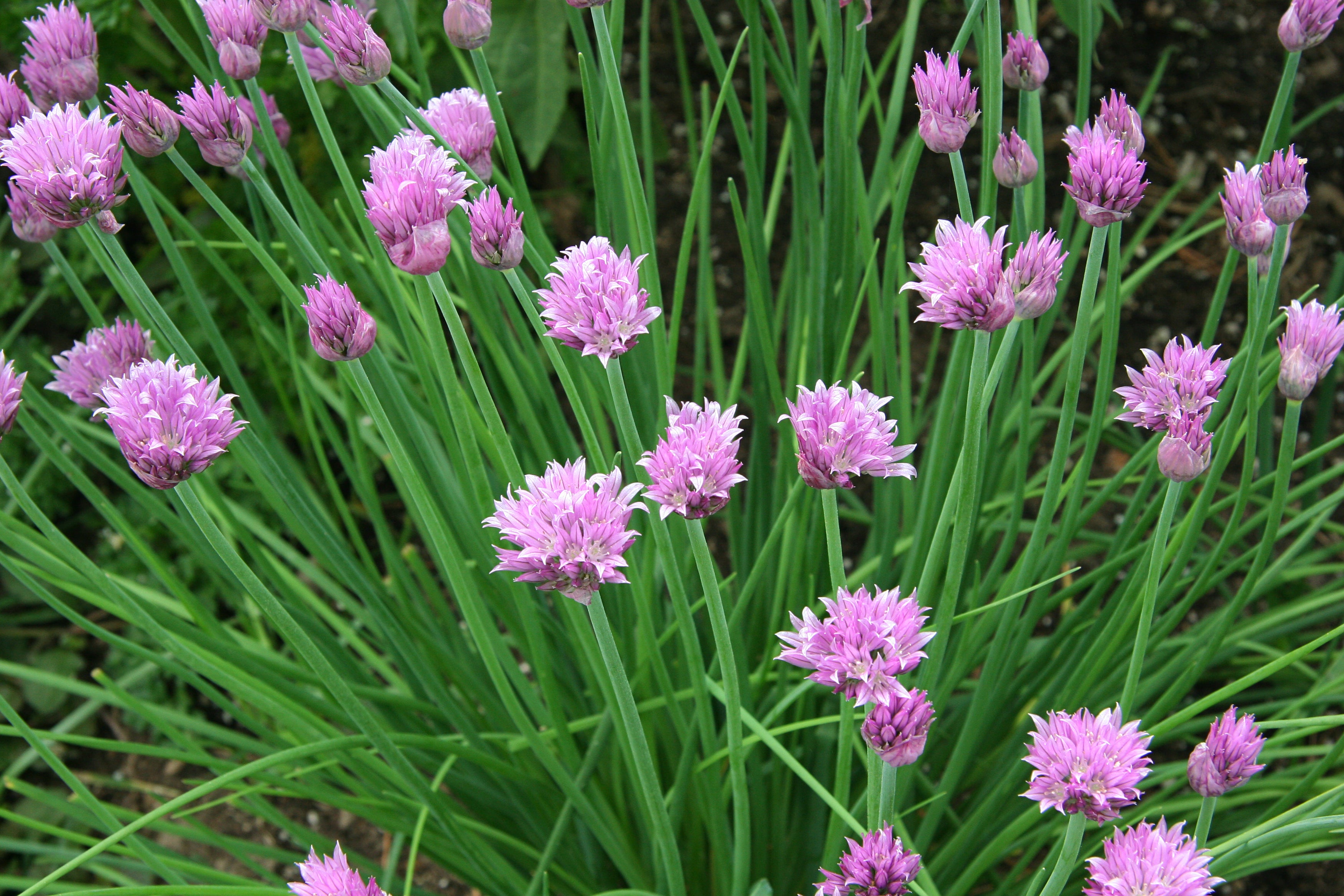
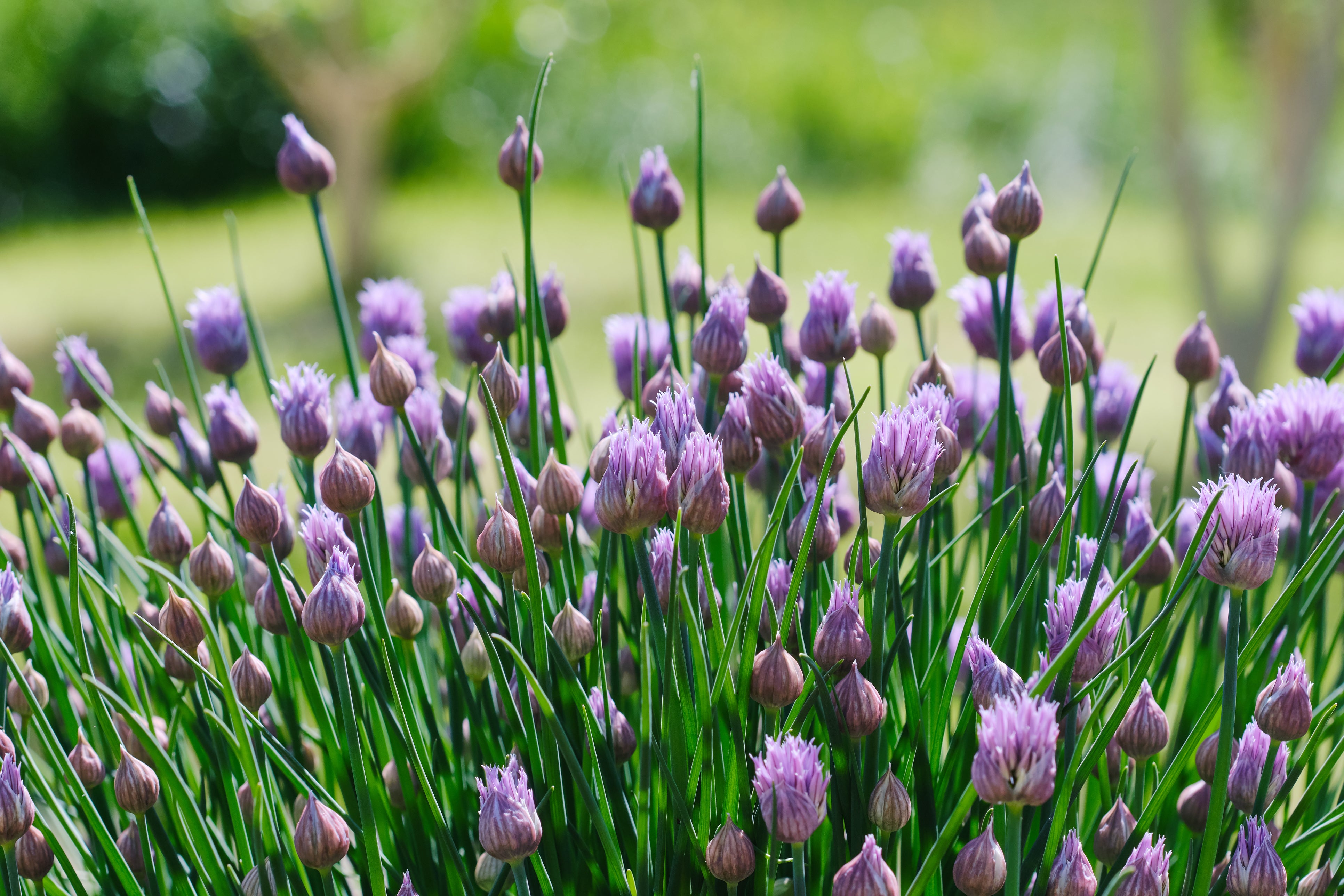
Wild chives form neat, grassy clumps of slender, hollow, tubular leaves—typically pencil-thin to straw-thin—rising 8–18 inches tall depending on soil fertility and moisture. The foliage is soft but resilient, with a mild onion fragrance when crushed. In late spring to early summer, they send up round flower stalks topped with tight, globe-shaped blooms, usually lavender to purple (sometimes paler). The blossoms are edible and highly attractive to bees and beneficial insects. Chives are cold-hardy, perennial, and clump-forming: they expand slowly over time, making them ideal for edging beds, tucking into herb spirals, or weaving into perennial borders as an edible ornamental.
Culinary Uses
Chives bring a fresh, mild onion flavor without the pungency of larger onions or garlic. Snip them into scrambled eggs, potato dishes, soups, soft cheeses, dips, and salad dressings; they’re especially good as a finishing herb added at the end of cooking to preserve their bright flavor. The edible flowers can be separated into florets and sprinkled over salads, deviled eggs, or roasted vegetables for color and a gentle bite. Chives also shine in herb butters, compound creams, and vinaigrettes—and they’re a classic pairing with potatoes, fish, and spring greens.
Growing Tips
Chives prefer full sun to part shade (full sun yields sturdier growth), and they do best in fertile, well-drained soil with consistent moisture. They tolerate a range of soils but produce the most tender leaves when watered during dry spells and top-dressed with compost. As a perennial, they can be grown in beds or containers; container clumps may need more frequent watering. Divide plants every 2–4 years to rejuvenate growth and prevent overcrowding—lift the clump, split into smaller sections, and replant. Remove spent flower heads if you want more leaf production; leave some blooms if you want pollinator support or seed. Chives are generally pest-resistant, but good airflow helps prevent foliar issues in humid conditions.
Sow Depth
Sow chive seeds ¼ inch deep, lightly cover with fine soil, and keep evenly moist until germination. For direct sowing outdoors, plant in early spring or late summer/early fall when temperatures are mild. Thin or transplant seedlings to 6–10 inches apart so clumps can develop. (If starting indoors, transplant after seedlings are sturdy and outdoor conditions have settled.)
Harvesting Guidance
Begin harvesting once leaves are 6 inches tall. For the best regrowth, snip leaves 1–2 inches above the soil line rather than pulling—this protects the growing point and keeps the clump productive. Harvest frequently during active growth to encourage new leaves. If you want blossoms for eating, harvest flower heads when they’re fully colored but before they fade; use fresh for the brightest flavor and appearance. In colder regions, chives may die back in winter and return in spring; you can tidy old foliage in late fall or very early spring. For long-term vigor, divide clumps periodically and refresh soil with compost each year.
