Beans and peas are legumes, which are nutrient rich foods. They are high in protein, fiber, vitamins, and minerals like iron, zinc, and magnesium.Their fiber and antioxidants help lower cholesterol levels and reduce heart disease risk. High fiber and protein in legumes slow digestion, aiding in stable blood sugar levels, beneficial for diabetes management.
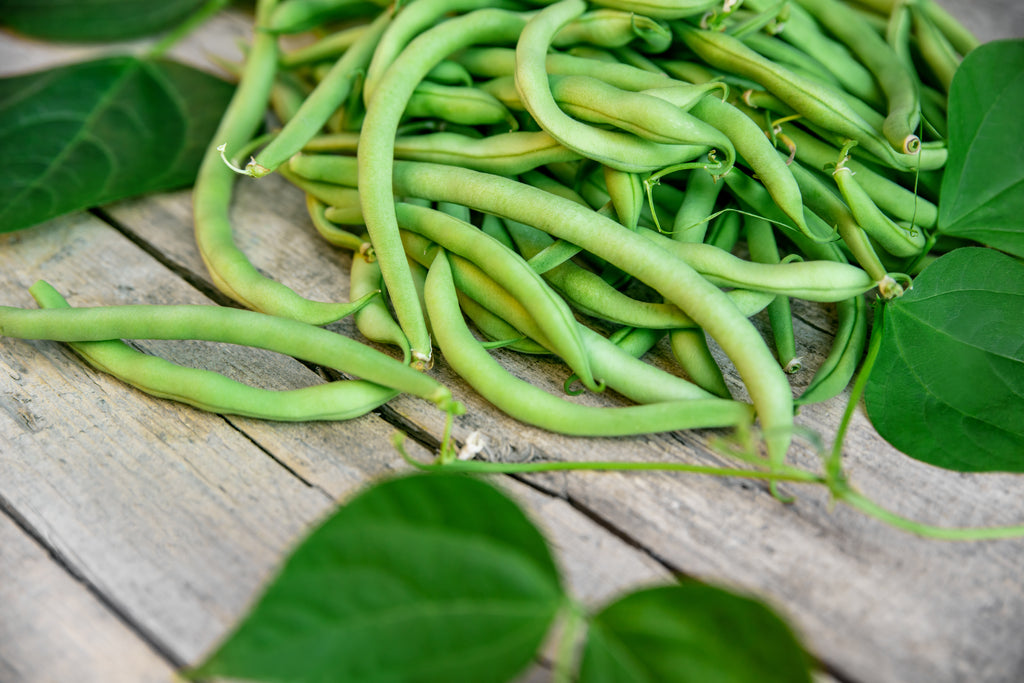
BEANS: Origins and History of Domestication
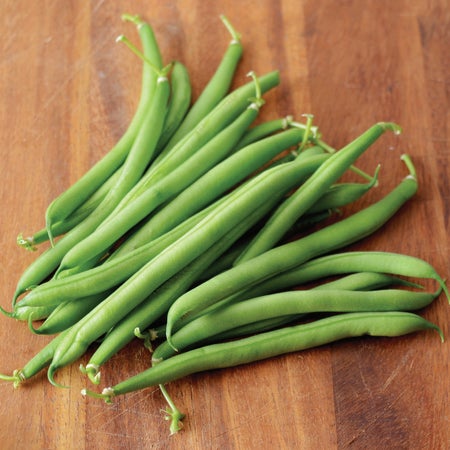
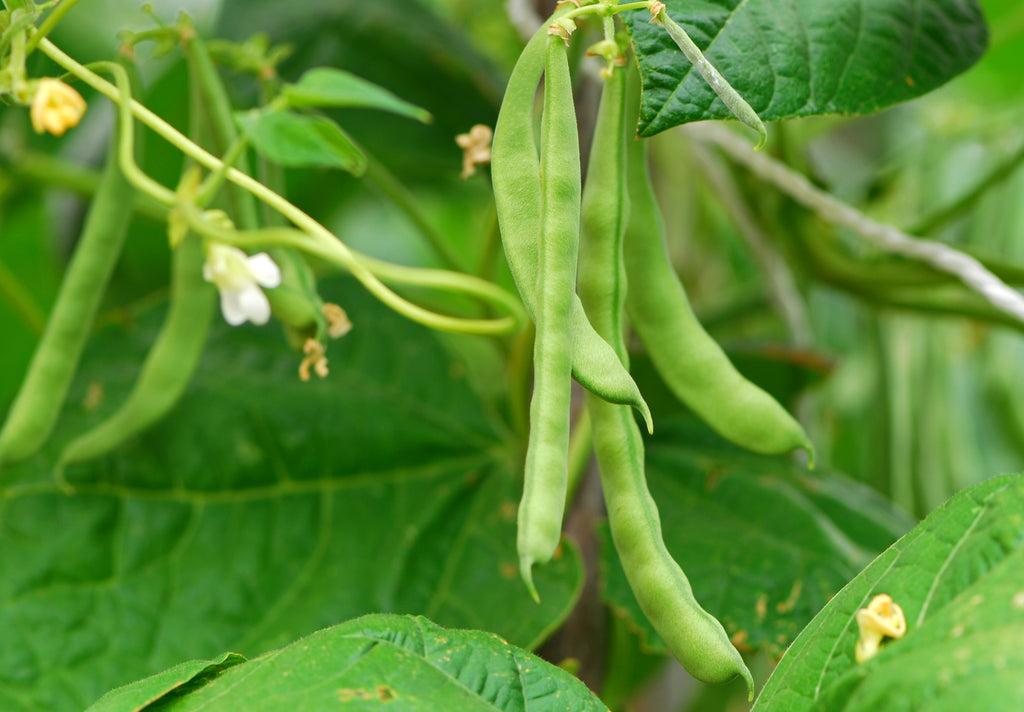
Phaseolus vulgaris, commonly known as the common bean, was domesticated independently by Indigenous peoples of the Americas more than 7,000–8,000 years ago, making it one of the most significant food legumes in human history. Archaeological and genetic evidence reveals two primary centers of domestication: Mesoamerica, encompassing present-day Mexico and Central America, and the Andean region of South America, particularly modern Peru and Bolivia.
From wild, vining ancestors, early farmers selected plants with desirable traits such as non-shattering pods, larger and more uniform seeds, improved taste, and growth habits suited to cultivation. These parallel domestication processes produced two distinct gene pools, with Mesoamerican beans generally characterized by smaller seeds adapted to warmer, lower elevations, and Andean beans by larger seeds suited to cooler, highland environments.
Long before European contact, Phaseolus vulgaris had spread widely across the Americas and was deeply embedded in Indigenous agricultural systems, food traditions, and seed stewardship practices, often grown in polycultures with maize and squash. Following the Columbian Exchange in the late fifteenth and sixteenth centuries, common beans were rapidly introduced to Europe, Africa, and Asia, where farmers further adapted them to local climates and cuisines. This global movement and centuries of farmer-led selection resulted in the vast diversity of landraces and heirloom varieties cultivated today, underscoring the bean’s enduring role in food security, agroecological resilience, and cultural heritage.
Vigna unguiculata, commonly known as cowpea or black-eyed pea, is one of the oldest domesticated food legumes in the world, with origins tracing back more than 5,000–7,000 years to sub-Saharan Africa, particularly the savanna regions of present-day West and Central Africa. Archaeological findings, linguistic evidence, and genetic studies indicate that Indigenous African farmers domesticated black-eyed peas from wild progenitors adapted to hot, drought-prone environments, selecting for traits such as non-shattering pods, increased seed size, reduced seed dormancy, and reliable yields under low-fertility conditions.
As a highly resilient crop capable of fixing atmospheric nitrogen and producing food where other legumes fail, cowpea became a cornerstone of traditional African farming systems and diets. From Africa, cowpea spread eastward to the Indian subcontinent through ancient trade routes and westward to the Mediterranean and Middle East. During the transatlantic slave trade, cowpea seeds were carried to the Caribbean, South America, and the southeastern United States, where they became deeply embedded in African Diaspora foodways and agroecological traditions. Over centuries of farmer-led selection across continents, Vigna unguiculata diversified into numerous landraces adapted for dry grain, fresh shelling, leafy greens, and forage use, solidifying its role as a culturally significant, climate-resilient crop essential to food security, soil health, and agricultural sustainability worldwide.
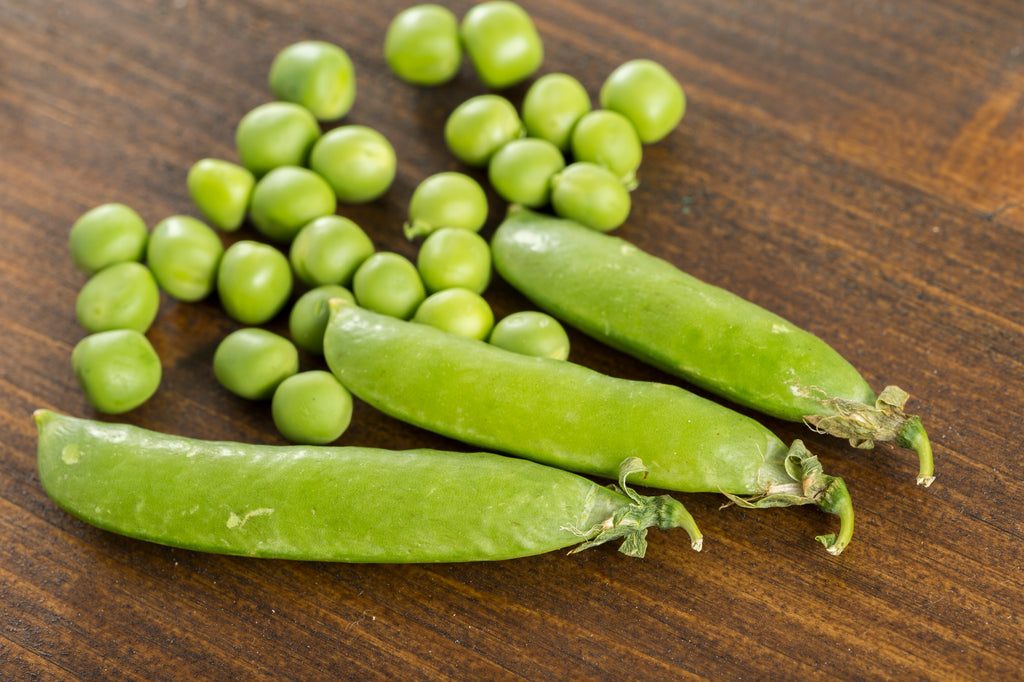
PEAS: Origins and History of Domestication
Vigna unguiculata, commonly known as cowpea or black-eyed pea, is one of the oldest domesticated food legumes in the world, with origins tracing back more than 5,000–7,000 years to sub-Saharan Africa, particularly the savanna regions of present-day West and Central Africa. Archaeological findings, linguistic evidence, and genetic studies indicate that Indigenous African farmers domesticated black-eyed peas from wild progenitors adapted to hot, drought-prone environments, selecting for traits such as non-shattering pods, increased seed size, reduced seed dormancy, and reliable yields under low-fertility conditions.
As a highly resilient crop capable of fixing atmospheric nitrogen and producing food where other legumes fail, cowpea became a cornerstone of traditional African farming systems and diets. From Africa, cowpea spread eastward to the Indian subcontinent through ancient trade routes and westward to the Mediterranean and Middle East. During the transatlantic slave trade, cowpea seeds were carried to the Caribbean, South America, and the southeastern United States, where they became deeply embedded in African Diaspora foodways and agroecological traditions.
Over centuries of farmer-led selection across continents, Vigna unguiculata diversified into numerous landraces adapted for dry grain, fresh shelling, leafy greens, and forage use, solidifying its role as a culturally significant, climate-resilient crop essential to food security, soil health, and agricultural sustainability worldwide.