GARDEN OF THE AMERICAS

The map above of the Traditional Cultures of the Americas was obtained from Encyclopedia Britannica.
Across the Americas—North America, Central America, South America, and the Caribbean—traditional cultures developed sophisticated foodways deeply rooted in seed domestication, ecological observation, and cultural meaning. These societies did not simply cultivate crops; they shaped entire landscapes and cosmologies around food plants, selecting, saving, and stewarding seeds over thousands of years. Agriculture emerged independently in multiple regions, giving rise to some of the world’s most important food crops, including maize, beans, squash, potatoes, cassava, peppers, tomatoes, cacao, peanuts, quinoa, and amaranth. Seed domestication was inseparable from community life, ceremony, and identity, with seeds regarded as living relatives rather than commodities.
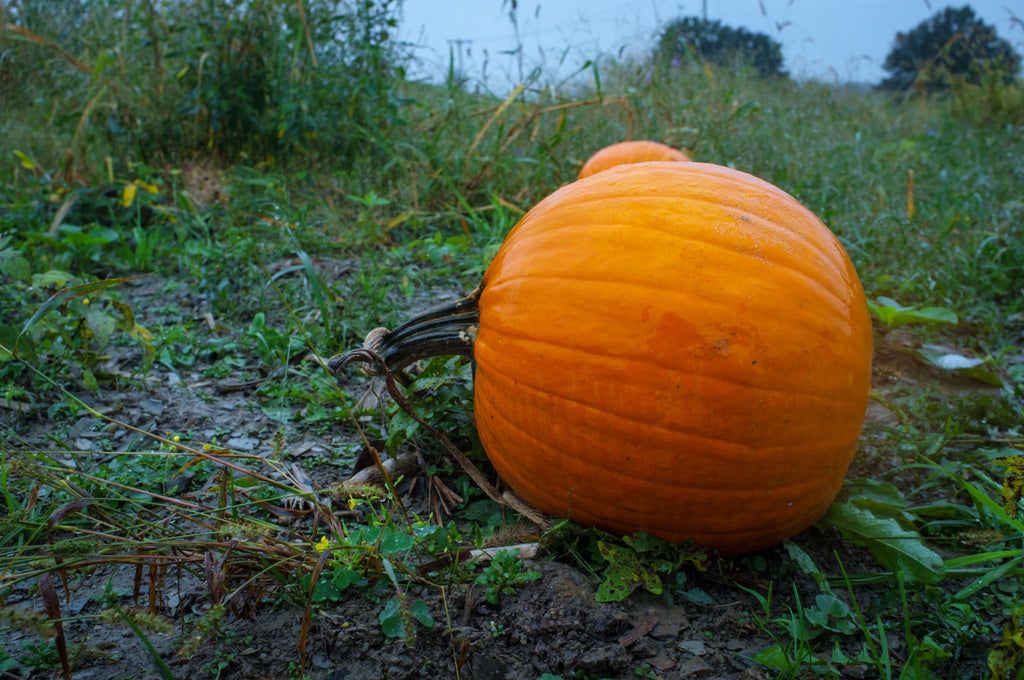
In North America, Indigenous nations developed diverse agricultural systems adapted to varied climates, from the arid Southwest to the Eastern Woodlands. One of the most influential food systems was the intercropping of maize, beans, and squash—often referred to as the “Three Sisters”—which exemplified ecological balance and nutritional completeness. Maize was carefully selected from its wild ancestor over generations to produce countless regional varieties suited for roasting, grinding, storage, or ceremonial use. Beans fixed nitrogen in the soil, squash suppressed weeds and conserved moisture, and together these crops reflected an advanced understanding of soil health and mutualism. Seed saving was often the responsibility of specific women knowledge keepers, ensuring continuity of both genetic diversity and cultural teachings.

The graphic above was obtained from The mesoamerican milpa system: Traditional practices, sustainability, biodiversity, and pest control by Betty Benrey,Carlos Bustos-Segura,Patrick Grof-Tisza. Biological Control. Publisher -Elsevier. November 2024
In Central America and Mesoamerica, foodways were anchored in the milpa system, a dynamic polycultural farming method centered on maize but inclusive of beans, squash, chilies, herbs, and wild plants. Here, maize was not only a staple food but a sacred origin substance, central to creation stories and calendars. Through selective breeding, Indigenous farmers developed maize adapted to diverse elevations, rainfall patterns, and culinary needs, from tortillas and tamales to beverages and porridges. The milpa system emphasized regeneration rather than extraction, allowing fields to rest and regenerate, and it embedded agricultural labor within ritual cycles, reinforcing the spiritual responsibility of seed stewardship.
South America, particularly the Andean region and the Amazon basin, represents one of the world’s richest centers of crop domestication. Andean societies domesticated potatoes, quinoa, oca, ulluco, and peppers, developing terrace farming and irrigation systems that allowed cultivation at extreme altitudes. Thousands of potato varieties were selected for resistance to frost, disease, and varied soils, ensuring food security across unpredictable mountain environments. In the Amazon, Indigenous peoples domesticated crops such as cassava, peanuts, cacao, and pineapple, while also transforming soils through techniques like terra preta, creating long-lasting fertile landscapes. Seed diversity here was closely tied to mobility, trade networks, and ecological reciprocity.

Photo Credit: Frazao Studio Latino. iStock: Getty
In the Caribbean Islands, Indigenous cultures such as the Taíno and Kalinago developed foodways centered on cassava, sweet potatoes, maize, beans, and tropical fruits. Cassava, in particular, was domesticated into both sweet and bitter forms, with complex processing techniques developed to remove toxins from bitter varieties. This knowledge allowed for long-term storage in the form of cassava bread, supporting both daily sustenance and regional trade. Caribbean agricultural systems, often organized in conuco-style garden plots, emphasized resilience to hurricanes, salt exposure, and shifting soils, highlighting adaptive seed selection under challenging environmental conditions.
Collectively, the traditional cultures of the Americas demonstrate that seed domestication was a cultural, ecological, and spiritual process. Foodways were not static but dynamic systems shaped by observation, experimentation, and intergenerational knowledge transfer. Seeds carried stories, responsibilities, and relationships—linking people to land, ancestors, and future generations. These Indigenous agricultural traditions form the foundation of global food systems today, and they continue to offer critical lessons for biodiversity conservation, climate resilience, and food sovereignty in the modern world.