

Origins and History
The You Fong Wong (Chinese) Yardlong Bean (Vigna unguiculata subsp. sesquipedalis) is a traditional East Asian heirloom, deeply rooted in Chinese kitchen-garden culture and market farming systems. Yardlong beans are believed to have originated from African cowpea ancestors, later selected and refined in Asia for their exceptionally long, tender pods. The You Fong Wong variety reflects generations of farmer-led selection for vigor, productivity, and pod quality, making it well suited to warm climates and intensive trellised production. In Chinese foodways, these beans have long been valued not only as a staple vegetable but also as a crop that maximizes yield in small spaces—an important trait in urban and peri-urban farming traditions.
Other Names include: Long Bean, Asparagus Bean, Snake Bean, Chinese long bean, Chinese bean, along with numerous other local names in Japan, Vietnam, and the Philippines. While native to southern Asia, the Yard Long Bean thrives in tropical and sub-tropical regions throughout the world. It is also very popular in equatorial regions of Africa and South America.
Appearance and Characteristics
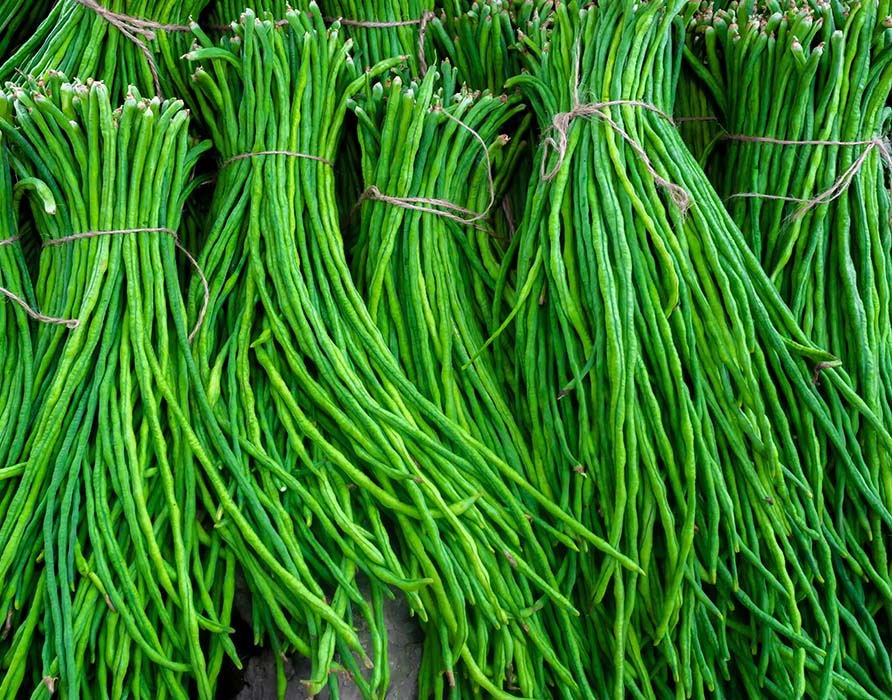
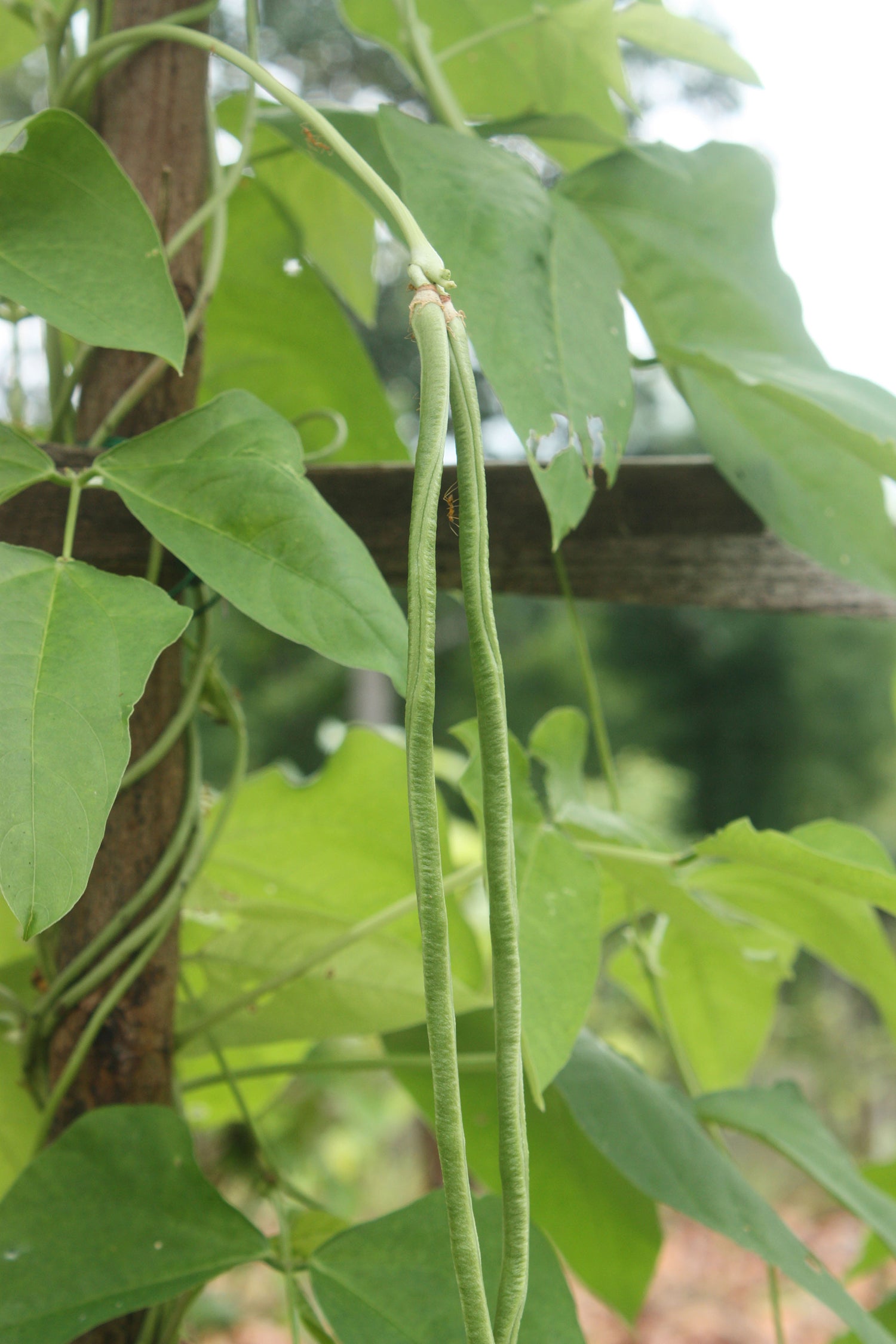
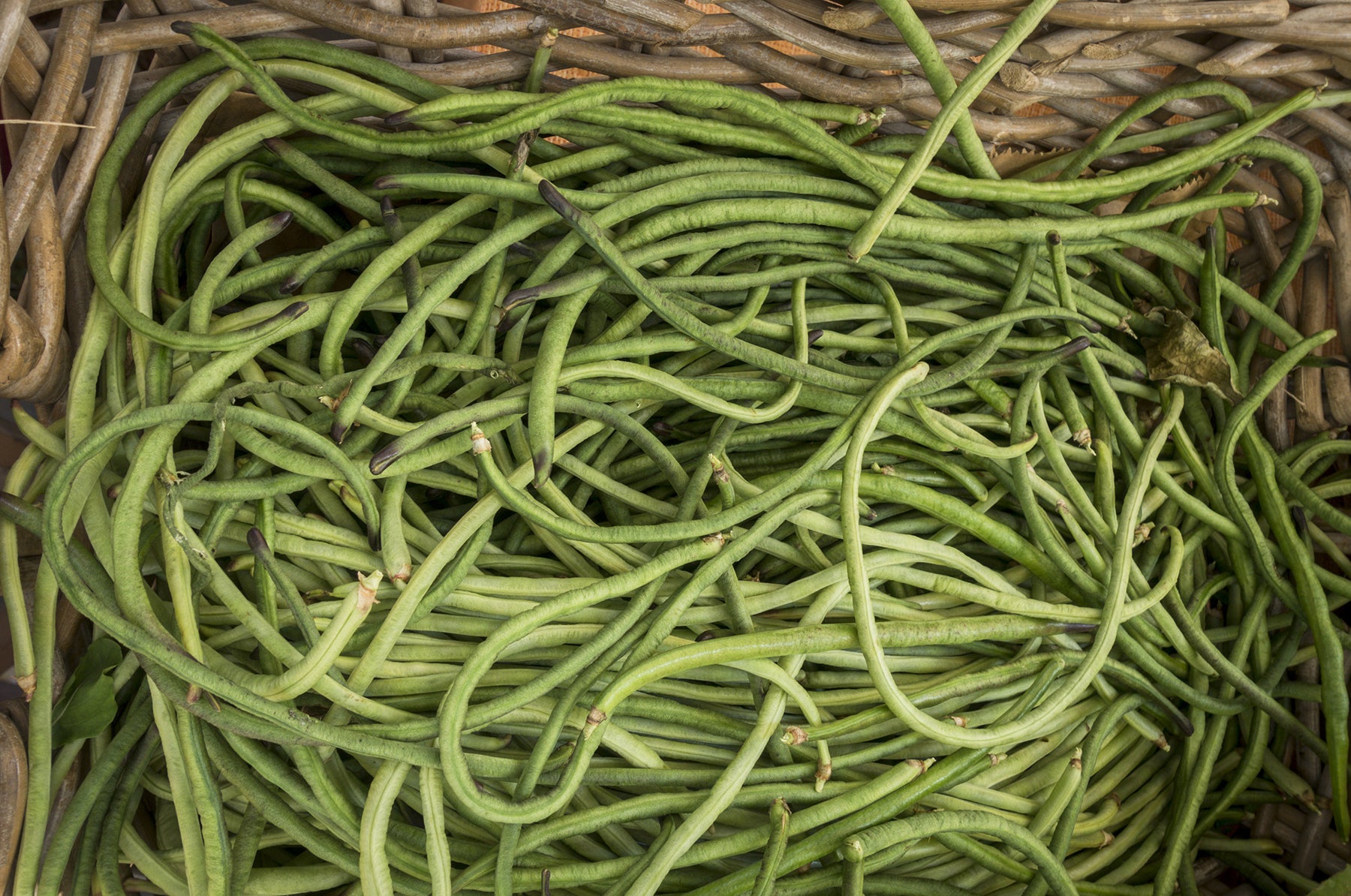
You Fong Wong plants are vigorous, twining vines that readily climb trellises or fences, often reaching 8–10 feet in length. The pods are slender, smooth, and strikingly long—commonly 18–30 inches—harvested while still flexible and tender. Pod color is typically medium to deep green, with a crisp texture and mild, slightly sweet flavor. Leaves are large and lush, providing good canopy cover, while flowers are pale lavender to cream, attracting pollinators. Like other cowpeas, this variety is heat-tolerant and capable of fixing nitrogen, contributing to soil health.
Culinary Uses
In the kitchen, You Fong Wong yardlong beans are prized for their versatility and ability to absorb flavors. They are a cornerstone of Chinese stir-fries, often paired with garlic, ginger, fermented black beans, or chili paste. The long pods can be cut into shorter segments for quick sautéing, steaming, or blanching, and they hold their texture well in soups and braised dishes. Beyond Chinese cuisine, they are widely used across Southeast Asian and Caribbean foodways, appearing in curries, stews, and fresh market dishes. Young pods are best eaten fresh, while mature seeds can also be dried and cooked like cowpeas.
Growing Tips
You Fong Wong yardlong beans thrive in USDA Zones 7–11 and can be grown as annuals in cooler regions once soils have fully warmed. Direct sow seeds outdoors after the danger of frost has passed and soil temperatures reach at least 65–70°F. Sow seeds 1 inch deep, spacing them 4–6 inches apart along a trellis or support. Provide full sun, well-drained soil, and consistent moisture, especially during flowering and pod set. While tolerant of heat and humidity, plants benefit from good air circulation and regular harvesting to maintain productivity. Minimal fertilization is needed, as excess nitrogen can promote leaf growth at the expense of pods.
Harvesting Guidance
Harvest You Fong Wong yardlong beans when pods are young, smooth, and still flexible—typically when they reach 18–24 inches, before seeds become pronounced. Frequent harvesting every 2–3 days encourages continuous flowering and extended yields throughout the summer. Use scissors or gently snap pods from the vine to avoid damaging plants. If saving seed, allow selected pods to mature fully and dry on the vine before harvesting. Properly cured seeds can be stored for future plantings, continuing the heirloom tradition of this culturally significant variety.
